A Beginner's Guide to Growing Healthy Vegetable Plants
A Beginner's Guide to Growing Healthy Vegetable Plants
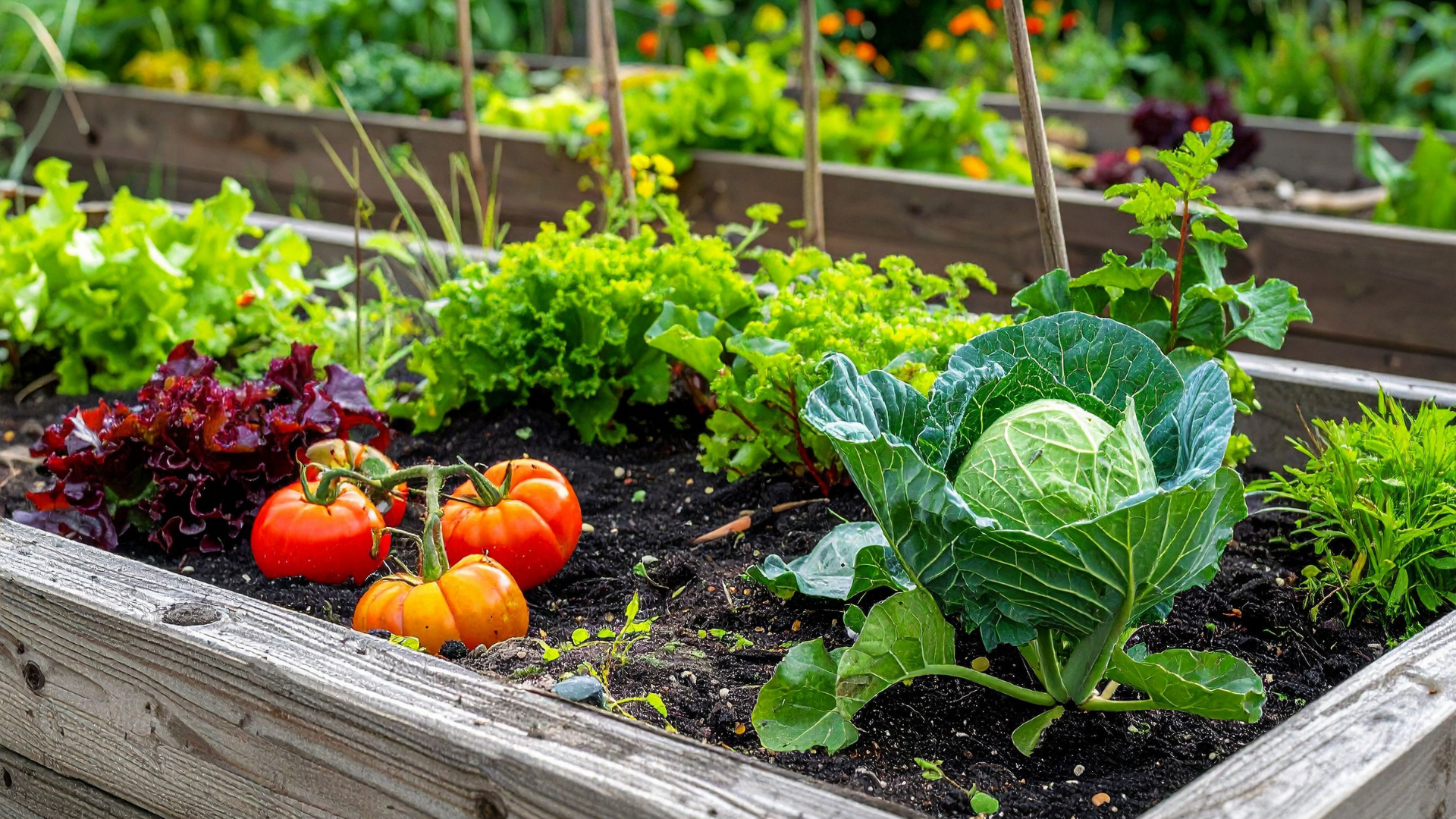
Growing your own vegetable plants is one of the most rewarding ways to enjoy fresh, nutritious food while saving money and spending more time outdoors. Whether you have a large backyard or a few containers on a patio, many vegetables are easy to grow with the right care and attention.
Choose the Right Vegetable Plants
The first step to a successful garden is selecting vegetables that grow well in your climate and available space. Popular choices for beginners include:
- Tomatoes
- Peppers
- Cucumbers
- Lettuce
- Spinach
- Carrots
- Green beans
- Zucchini
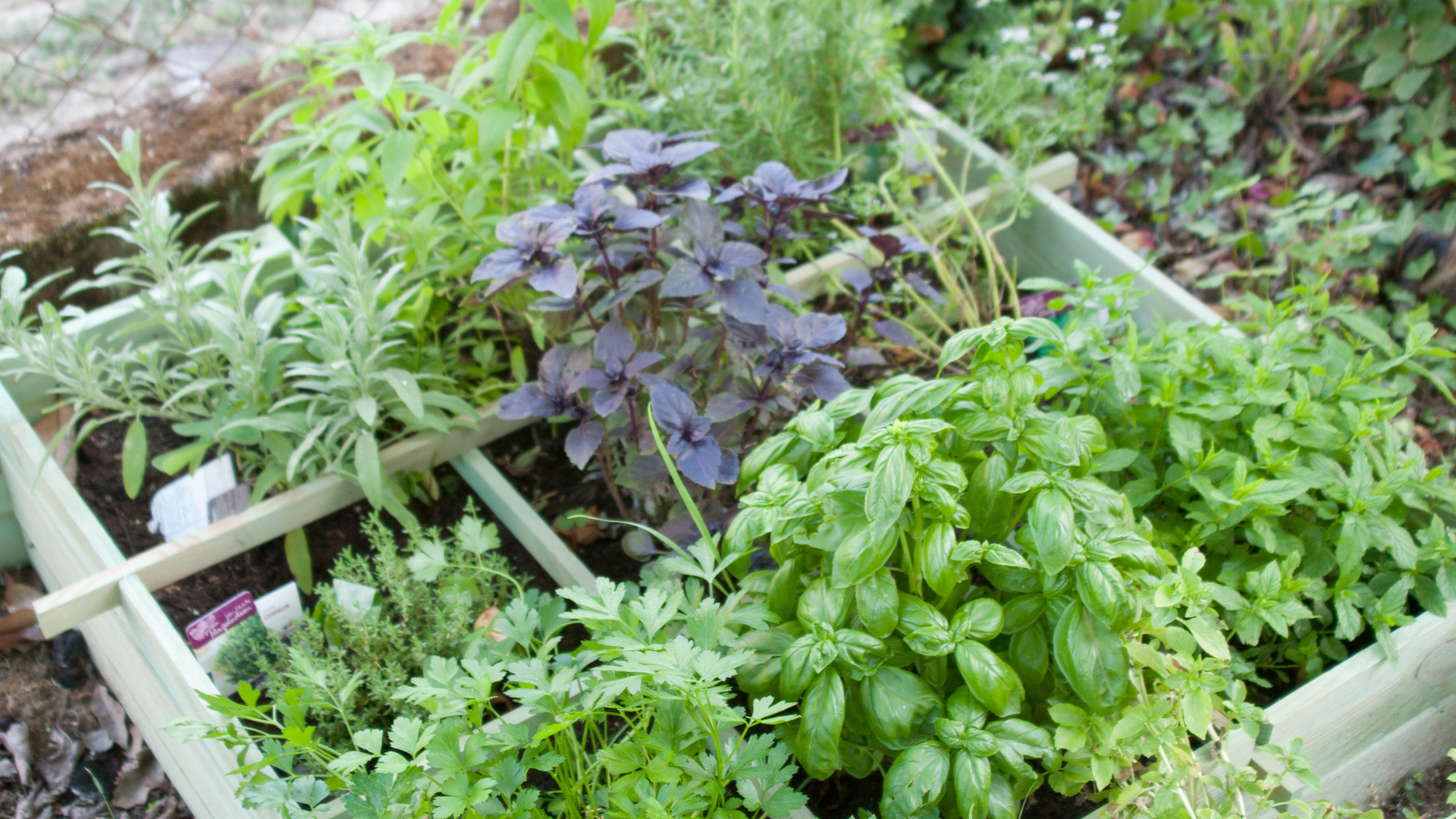
- Herbs like basil, parsley, and cilantro
Starting with healthy seedlings or high-quality seeds gives your garden the best chance for strong growth and abundant harvests.
Provide Plenty of Sunlight
Most vegetable plants require at least six to eight hours of direct sunlight each day. Choose a location that receives consistent sunlight and has good air circulation to help reduce the risk of plant diseases.
If you're gardening in containers, place them where they can receive the maximum amount of daily sunlight.
Prepare Healthy Soil
Healthy soil is the foundation of a productive vegetable garden. Mix compost or organic matter into the soil to improve drainage, retain moisture, and provide essential nutrients. Before planting, make sure the soil is loose and free of weeds so roots can grow easily.
Water Consistently
Vegetable plants need regular watering, especially during hot or dry weather. Water deeply at the base of each plant rather than spraying the leaves. This helps promote strong root development and reduces the chance of fungal diseases.
Adding mulch around your plants also helps retain soil moisture and suppress weed growth.
Feed Your Plants
As vegetables grow, they use nutrients from the soil. Applying a balanced fertilizer or organic plant food throughout the growing season supports healthy leaves, flowers, and fruit production. Always follow the recommended application rates to avoid over-fertilizing.
Watch for Pests and Diseases
Inspect your vegetable plants regularly for signs of insects, damaged leaves, or disease. Early detection makes it easier to treat problems before they spread. Keeping your garden clean, removing dead foliage, and spacing plants properly can help prevent many common issues.
Harvest at the Right Time
Picking vegetables when they reach peak ripeness encourages many plants to continue producing throughout the season. Freshly harvested vegetables often have better flavor, texture, and nutritional value than store-bought produce.
Final Thoughts
Growing vegetable plants is an enjoyable hobby that provides fresh food, beautiful outdoor spaces, and a sense of accomplishment. With proper sunlight, healthy soil, consistent watering, and regular care, you can enjoy a productive vegetable garden throughout the growing season. Whether you're planting your first tomato or expanding your backyard garden, healthy vegetable plants are the key to a successful harvest.